Everything You Need to Know About the Myoma Surgery Procedure
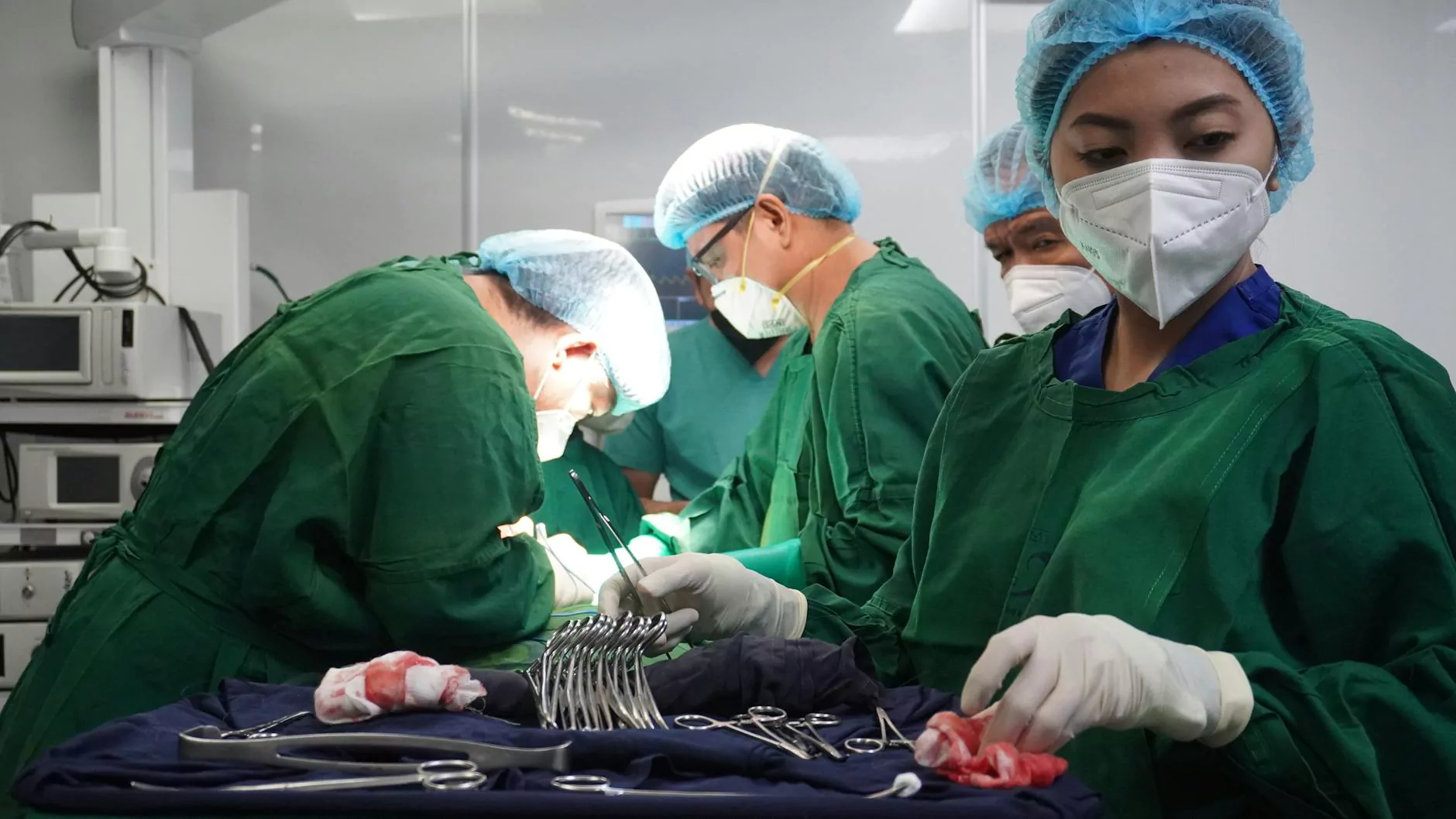
Myomas, commonly known as uterine fibroids, are noncancerous growths that can develop in the uterus. They can range from a size of a pea to larger than a grapefruit. Depending on their location, size, and number, they can lead to various symptoms, affecting women's health and quality of life. If you're considering a myoma surgery procedure, it's crucial to understand the process, benefits, risks, and aftercare involved.
What Are Myomas?
Myomas, also known as fibroids, can have a significant impact on women's health. They are composed of muscle and fibrous tissue and can lead to symptoms such as:
- Heavy Menstrual Bleeding: Women with myomas often experience heavy and prolonged menstrual cycles.
- Pelvic Pain: Depending on their location, myomas can cause significant pain and discomfort.
- Frequent Urination: Larger fibroids can press against the bladder, leading to increased urination.
- Complications in Pregnancy: Myomas can affect fertility and the course of a pregnancy.
Indications for Myoma Surgery
Not all myomas require surgical intervention. Surgery is typically recommended under the following circumstances:
- If myomas cause severe symptoms that disrupt daily life.
- When there is a risk of complications related to fertility or pregnancy.
- If non-invasive treatment options have failed.
Types of Myoma Surgery Procedures
There are several surgical options available for the treatment of myomas. Here are the most common types:
1. Myomectomy
Myomectomy is the surgical removal of myomas while preserving the uterus. This procedure is often favored by women who wish to maintain their reproductive capabilities. There are several approaches to myomectomy:
- Abdominal Myomectomy: The surgeon makes an incision in the abdomen to remove myomas.
- Laparoscopic Myomectomy: A minimally invasive technique using small incisions with the aid of a camera.
- Hysteroscopic Myomectomy: Involves removing myomas through the cervix using a hysteroscope, ideal for fibroids located inside the uterus.
2. Hysterectomy
A hysterectomy is the surgical removal of the uterus and is often recommended for women who no longer wish to conceive. This procedure can be performed using several methods:
- Abdominal Hysterectomy: A larger incision is made in the abdomen.
- Laparoscopic Hysterectomy: A minimally invasive surgery that requires small incisions.
- Vaginal Hysterectomy: The uterus is removed through the vagina, usually involving less recovery time.
3. Uterine Artery Embolization (UAE)
UAE is a non-surgical procedure that blocks the blood supply to myomas, causing them to shrink. It is suitable for women looking for a less invasive treatment option.
Preparing for Myoma Surgery Procedure
Preparation is essential for a successful myoma surgery procedure. Here are steps typically involved in the preparation:
- Consultation: Schedule thorough consultations with your healthcare provider to discuss options and preferences.
- Diagnostic Testing: Your doctor may order imaging tests such as ultrasounds or MRIs to assess the size and location of myomas.
- Understand Recovery: Discuss the expected recovery time and any potential postoperative care needed.
- Plan for Support: Arrange for help at home during the recovery phase.
Benefits of Myoma Surgery
Undergoing a myoma surgery procedure has numerous advantages, particularly for those suffering from significant symptoms:
- Symptom Relief: Many women experience relief from symptoms such as heavy bleeding and pelvic pain after the surgery.
- Improved Quality of Life: With symptom relief, many women report a better overall quality of life.
- Enhanced Fertility: For women wishing to conceive, myomectomy helps remove obstruction.
- Personalized Treatment: A tailored approach based on the size, number, and symptoms of myomas can lead to more effective outcomes.
Risks and Considerations
As with any surgical procedure, there are risks associated with myoma surgery. It's crucial to weigh these against the potential benefits:
- Infection: There is a risk of infection following any surgical procedure.
- Bleeding: Some patients may experience excessive bleeding during or after surgery.
- Adhesions: Scar tissue from surgery can cause complications in future pregnancies.
- Recurrence: Myomas can recur, especially if they are not completely removed.
Postoperative Care
After the myoma surgery procedure, proper care is crucial for recovery. Key points include:
- Follow-Up Appointments: Attend all scheduled follow-ups for monitoring and assessment.
- Rest: Allow your body time to heal by getting adequate rest.
- Medications: Take prescribed pain medications as directed and watch for any adverse effects.
- Physical Activity: Gradually return to exercise but avoid heavy lifting and strenuous activities until cleared by your doctor.
Long-term Outlook
The long-term outlook after a myoma surgery procedure heavily depends on the type of surgery performed and individual health factors.
While many women find relief from their symptoms, others may experience recurrence of myomas. Regular check-ups and healthy lifestyle modifications can contribute to better outcomes.
Consulting a Specialist: Why It Matters
Choosing the right healthcare professional is crucial for a successful myoma surgery procedure. At Dr. Seckin's Hospital, we provide expert care from experienced obstetricians and gynecologists who specialize in myoma management.
Our team will support you throughout the process, ensuring you are informed and comfortable with your treatment options. With personalized care and modern surgical techniques, we aim to provide the best possible outcomes for our patients.
Conclusion
Understanding the myoma surgery procedure is the first step towards reclaiming your health and well-being. Whether you are exploring surgery for symptom relief or looking to preserve your reproductive options, knowledge is a powerful tool.
At Dr. Seckin's Hospital, we are committed to providing comprehensive care tailored to your needs. Contact us today to schedule your consultation and take the first step towards a healthier future!