Exploring Downs Surgical Instruments and Enzymes: The Ultimate Guide to Medical Supplies
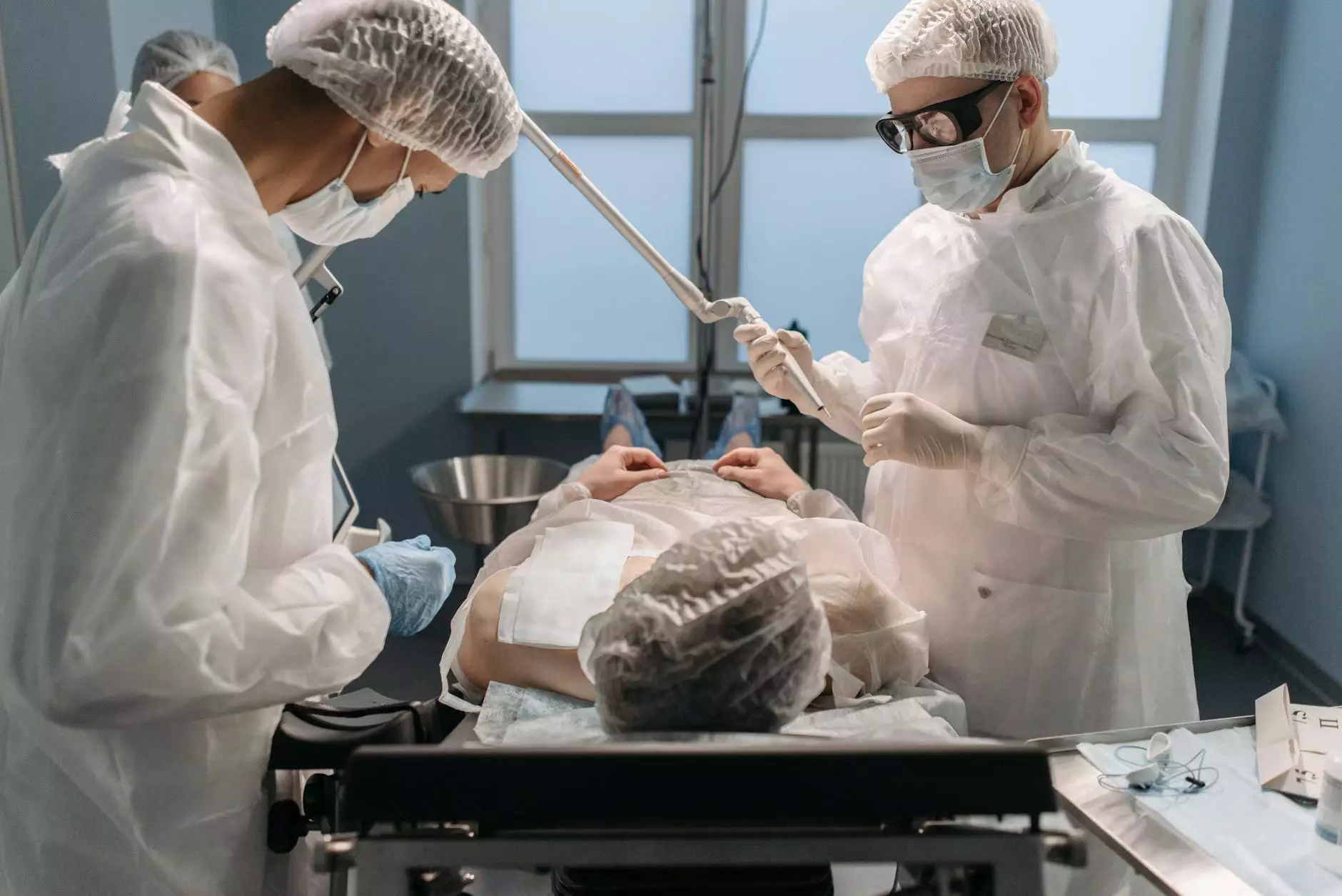
The landscape of healthcare is continuously evolving, with advancements in technology and research driving innovations in medical supplies. Among these innovations, downs surgical instruments and enzymes play a pivotal role in enhancing medical practices, ensuring precision in surgical procedures, and improving patient outcomes. This comprehensive guide aims to delve into the world of downs surgical instruments and their relationship with enzymes, covering everything from types and uses to innovations in the field.
Understanding Surgical Instruments
Surgical instruments are essential tools designed for performing specific actions during a surgical operation. They vary widely in design and function, with each instrument tailored for a particular task. Surgical instruments are categorized into several types, including:
- Cutting Instruments: These include scalpels, scissors, and bone saws used for incisions and dissections.
- Grasping Instruments: Forceps and clamps fall into this category, allowing surgeons to hold onto tissues securely.
- Hemostatic Instruments: Such as hemostats and clips, these are vital for controlling bleeding during surgery.
- Suturing Instruments: Needles and needle holders are crucial for stitching tissues post-surgery.
- Endoscopic Instruments: Specialized tools for minimally invasive procedures, allowing visualization and operation within the body cavities.
Each instrument must meet rigorous standards of quality and precision, making them indispensable in the healthcare industry.
The Importance of Enzymes in Surgical Procedures
Enzymes are biochemical catalysts that play a critical role in countless physiological processes. In medicine, they are utilized for various purposes, including diagnostic tests and therapeutic interventions. Their relevance in the context of surgical instruments cannot be understated.
For instance, enzymes such as proteases, lipases, and nucleases assist in breaking down tissues and fluids, facilitating surgical operations, and improving outcomes. Here’s how they contribute:
- Enhancing Healing: Enzymes promote tissue repair and regeneration during postoperative recovery.
- Improving Surgical Precision: Using enzymes in conjunction with surgical instruments allows for more controlled procedures.
- Reducing Infections: Certain enzymes can help prevent infections post-surgery by breaking down pathogens.
Innovative Downs Surgical Instruments
Focusing specifically on downs surgical instruments, these are specialized tools designed for precision and efficiency in surgeries that require intricate maneuvering. Downs surgical instruments are characterized by their compact size, allowing surgeons to perform delicate procedures with enhanced control. Here are some popular downs surgical instruments:
- Miniature Scalpels: Ideal for microsurgeries, these scalpels are crafted for precision.
- Micro Forceps: Used for grasping small tissues, providing excellent control.
- Endoscopic Graspers: Allow surgeons to manipulate tissues effectively through small incisions.
Benefits of Downs Surgical Instruments
The use of downs surgical instruments brings numerous advantages, significantly benefiting surgical outcomes and patient care:
- Reduced Trauma: Smaller instruments mean smaller incisions, leading to less tissue damage.
- Quicker Recovery Times: Patients experience faster healing due to minimal invasiveness.
- Improved Accuracy: Greater precision allows surgeons to target specific areas effectively, reducing complications.
Choosing the Right Instruments and Enzymes
When selecting surgical instruments and enzymes, healthcare professionals must consider several factors:
Quality and Sterilization
It is imperative to choose high-quality instruments that meet medical standards. Additionally, sterilization procedures must be established to prevent infections.
Compliance with Regulations
All surgical instruments and enzymes used in medical practices must comply with the regulatory standards set by health organizations.
Training and Expertise
Healthcare professionals should be adequately trained to use specialized downs surgical instruments and understand the applications of enzymes in surgery.
The Future of Downs Surgical Instruments and Enzymes
The future of surgical instruments and enzymes is promising, with ongoing research and technological advancements. Some of the anticipated developments include:
- Smart Surgical Instruments: Instruments integrated with sensors and AI capabilities for real-time feedback during surgeries.
- Biodegradable Materials: A shift towards sustainable materials for instrument creation.
- Enhanced Enzyme Applications: Research aimed at discovering new enzymes with therapeutic properties.
Conclusion
In conclusion, the integration of downs surgical instruments and enzymes has transformed the healthcare landscape, improving the efficiency and accuracy of surgical procedures. As innovations continue to emerge, the medical field is bound to see significant advancements that not only enhance surgical precision but also lead to better patient outcomes. Embracing these changes is crucial for medical professionals dedicated to providing exemplary healthcare. For more information on quality medical supplies, visit medalkan.com.
downs surgical instruments nzymes