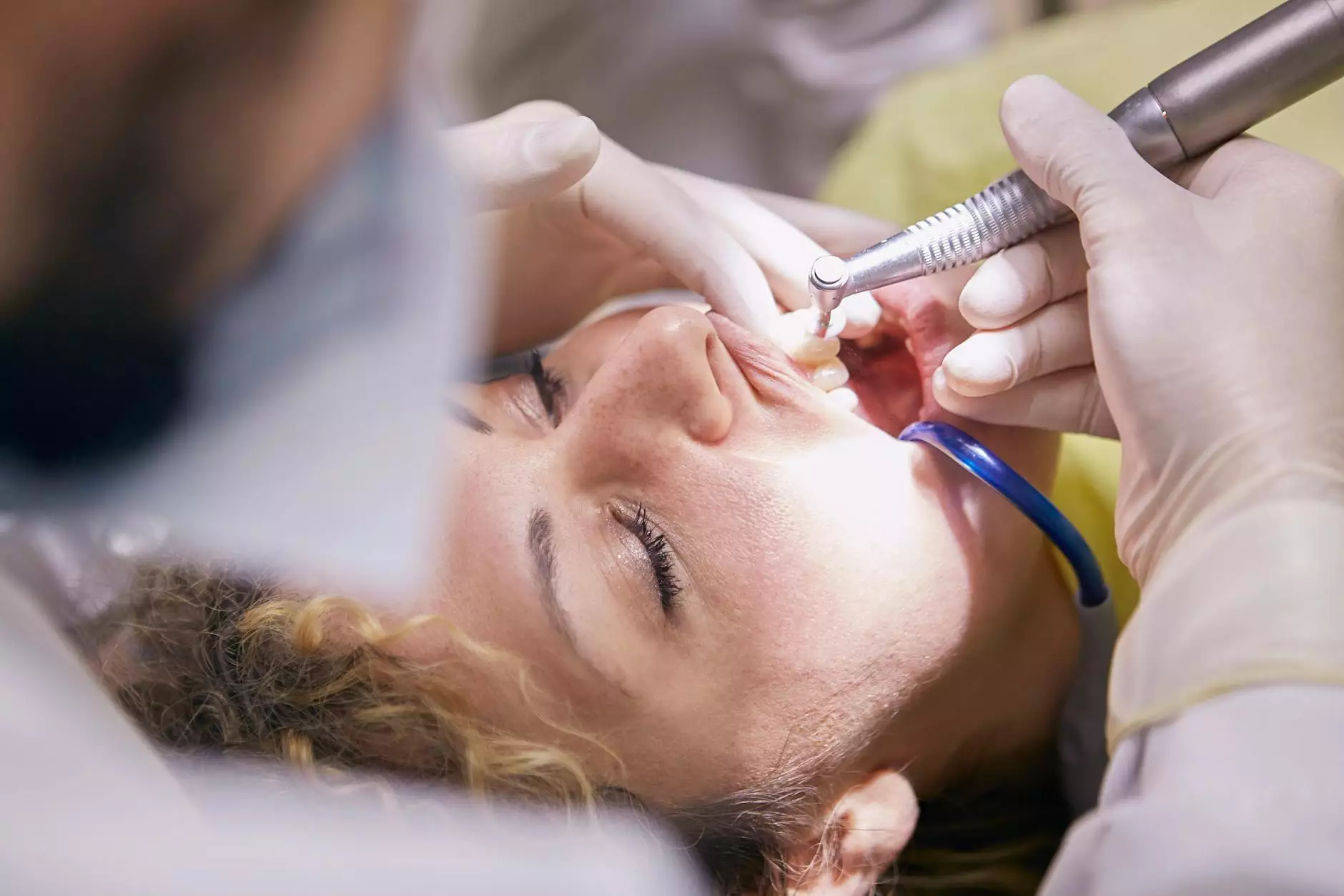
Understanding Office Hysteroscopy
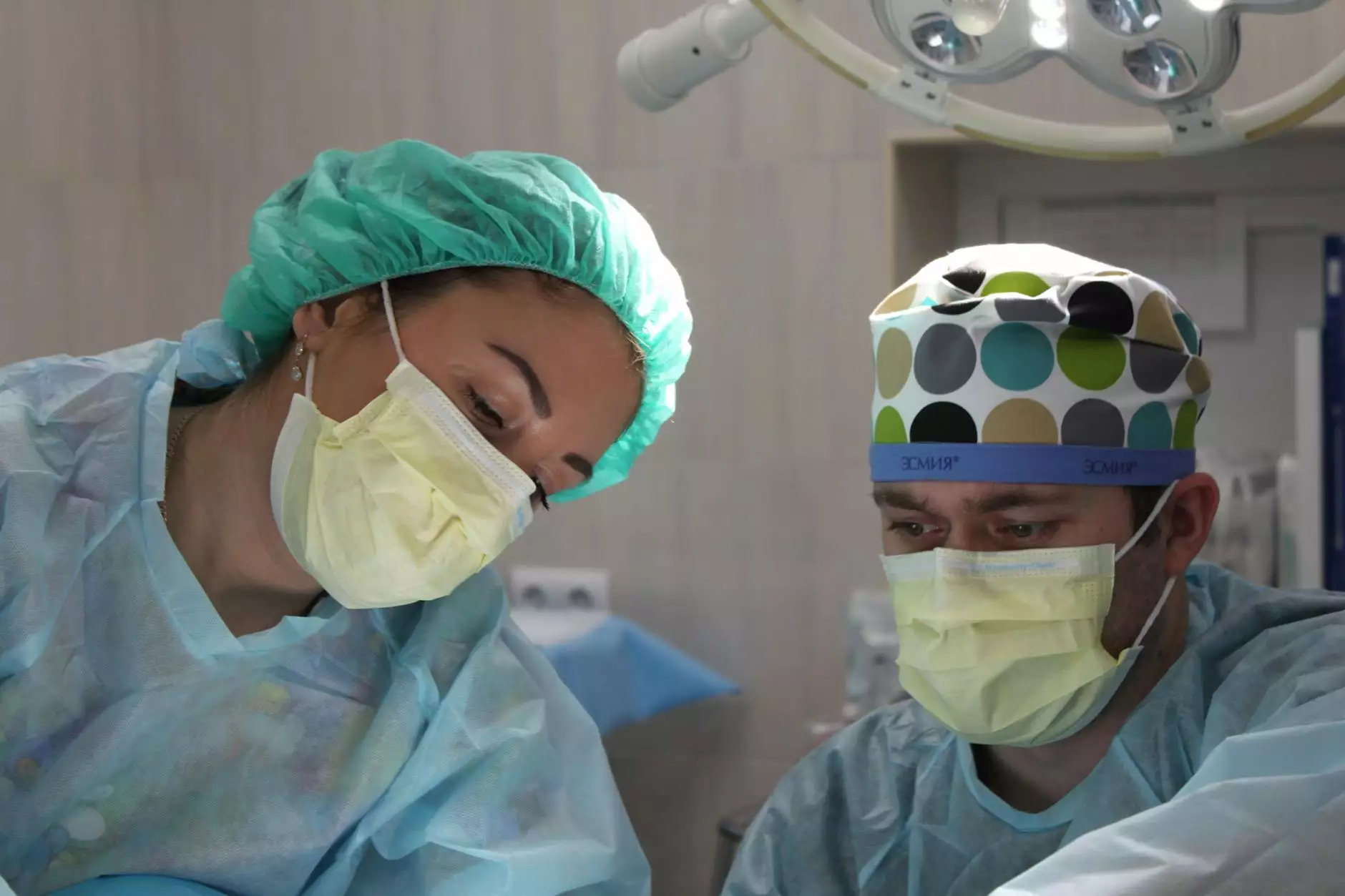
Office hysteroscopy is a revolutionary procedure that allows healthcare providers to visualize the inside of the uterus without the need for invasive surgery. This quick and efficient technique has transformed the field of gynecology, offering a detailed look at the uterine cavity and enabling the diagnosis and treatment of various conditions in a comfortable office setting. In this comprehensive guide, we will explore the nuances of office hysteroscopy, its benefits, the procedure itself, and post-procedure care.
What Is Office Hysteroscopy?
Office hysteroscopy is a minimally invasive procedure where a thin, lighted telescope called a hysteroscope is inserted into the uterus through the cervix. This allows the doctor to examine the uterine lining for abnormalities such as polyps, fibroids, or signs of infection. Unlike traditional hysteroscopies that require general anesthesia and an operating room, office hysteroscopy can often be done with local anesthesia, making it a more streamlined option for diagnosis and treatment.
Why Is Office Hysteroscopy Performed?
The reasons for performing an office hysteroscopy include:
- Investigation of Abnormal Bleeding: Many women experience abnormal menstrual bleeding, and office hysteroscopy allows physicians to identify potential underlying causes.
- Diagnosis of Uterine Conditions: Conditions such as fibroids and polyps can be diagnosed through this procedure.
- Evaluation of Infertility: For couples struggling to conceive, office hysteroscopy can help identify uterine abnormalities that may hinder pregnancy.
- Removal of Uterine Growths: In some cases, minor surgical procedures can be performed during the hysteroscopy to remove polyps or fibroids.
- Assessment of IUD Placement: Office hysteroscopy can help ensure that intrauterine devices (IUDs) are correctly positioned.
Preparation for Office Hysteroscopy
Proper preparation is key to ensuring a successful office hysteroscopy. Here’s what you can expect:
- Pre-Procedure Consultation: Prior to the procedure, consult with your doctor to discuss your medical history and any medications you may be taking.
- Timing: It’s generally recommended to schedule the procedure after your menstrual cycle, usually within the first week of your menstrual cycle.
- Medications: You may be prescribed medications such as nonsteroidal anti-inflammatory drugs (NSAIDs) to minimize discomfort.
- Hygiene: Maintaining good hygiene with a clean genital area can help minimize the risk of infection.
The Office Hysteroscopy Procedure
The office hysteroscopy procedure is typically straightforward and can be broken down into several key steps:
- Anesthesia: Local anesthesia is administered to numb the cervix and minimize discomfort. Some practitioners may choose to offer sedation if necessary.
- Insertion of Hysteroscope: The clinician gently inserts the hysteroscope through the cervix into the uterus while monitoring the procedure through a connected video screen.
- Fluid Infusion: A sterile solution is infused into the uterine cavity to expand it and allow for clearer visualization.
- Visualization: The clinician examines the uterine lining and can take biopsies or remove abnormal tissues if needed.
- Completion: After the examination, the hysteroscope is carefully removed, and the procedure is concluded.
Benefits of Office Hysteroscopy
Office hysteroscopy offers numerous advantages over traditional surgical methods, including:
- Minimally Invasive: There is no need for incisions, resulting in less pain and quicker recovery time.
- Reduced Anesthesia Risks: Local anesthesia minimizes the risks associated with general anesthesia, making the procedure safer for many patients.
- Immediate Results: Many times, biopsies can be taken during the procedure, providing quick results and a clear path to treatment.
- Comfortable Environment: Conducted in an office setting, patients often feel more relaxed and comfortable.
Risks and Considerations
While office hysteroscopy is generally safe, potential risks include:
- Infection: There is a slight risk of infection following the procedure.
- Hemorrhage: Abnormal bleeding can occur, though it is typically manageable.
- Perforation: Rarely, there may be a risk of perforating the uterine wall.
- Discomfort: Some patients may experience mild discomfort or cramping during or after the procedure.
Post-Procedure Care and Recovery
Post-procedure care is vital for a smooth recovery. Patients are generally advised to:
- Monitor Symptoms: Keep an eye on any unusual bleeding or signs of infection, such as fever or severe pain.
- Rest: Take it easy for the remainder of the day following the procedure.
- Avoid Sexual Intercourse: Patients should refrain from sexual activity until cleared by their healthcare provider, usually within a week.
- Follow Up: Schedule a follow-up appointment to discuss the results and any further steps if necessary.
Conclusion
Office hysteroscopy stands out as a groundbreaking advancement in the field of gynecology. It offers patients a less invasive option for diagnosis and treatment of various uterine conditions, allowing for a more streamlined and comfortable experience in a familiar office setting. If you're considering this procedure, consult with a qualified healthcare provider to learn how office hysteroscopy can benefit your health.
For more information on office hysteroscopy and other gynecological services, visit drseckin.com.