Understanding MRI Technical Services: A Closer Look at Their Role in Healthcare
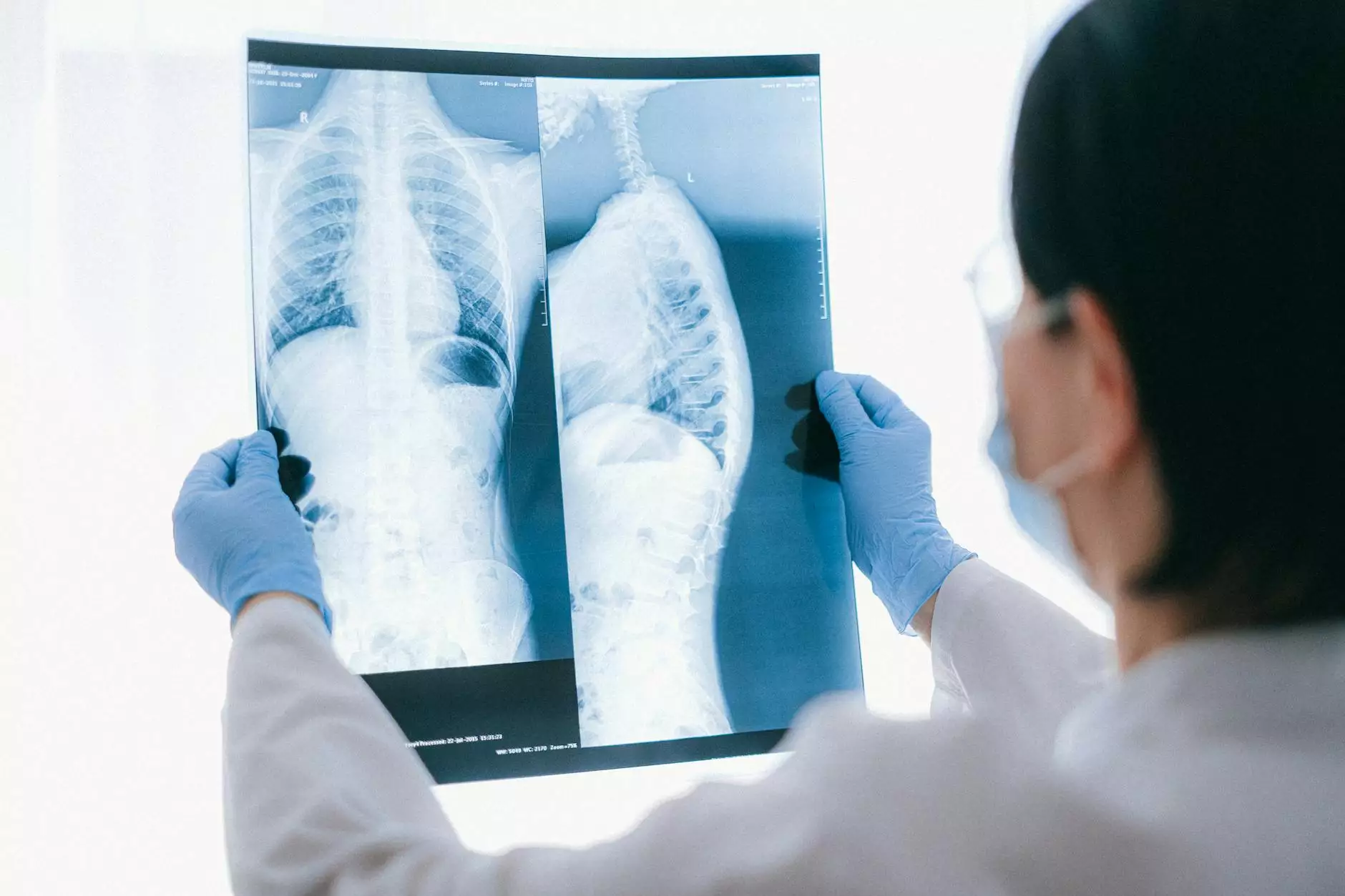
MRI technical services play a pivotal role in modern healthcare, particularly in the domain of diagnostic imaging. Magnetic Resonance Imaging (MRI) has revolutionized the way we diagnose and monitor various medical conditions. This article will delve into the intricacies of MRI technical services, their importance in the healthcare landscape, and how they contribute to improving patient outcomes at facilities like Echomagnet Services.
What Are MRI Technical Services?
MRI technical services encompass the comprehensive suite of operations involved in the preparation, execution, and analysis of magnetic resonance imaging procedures. These services include:
- Site Preparation: Ensuring that MRI machines are calibrated and maintained.
- Quality Assurance: Regular testing of equipment to meet industry standards.
- Patient Interaction: Guiding patients through the MRI process and ensuring their comfort.
- Image Acquisition: Capturing high-quality MRI images using advanced technology.
- Image Analysis: Collaborating with radiologists to interpret MRI scans accurately.
The Importance of MRI Technical Services
The significance of MRI technical services cannot be overstated. Here are several reasons why these services are crucial in the healthcare system:
1. Enhanced Diagnostic Accuracy
With MRI technical services, healthcare providers can ensure that the images obtained are of the highest quality. This clarity is vital for accurate diagnosis since detailed images allow physicians to identify issues such as tumors, neurological disorders, and internal injuries with precision.
2. Improved Patient Care
Healthcare professionals trained in MRI technical services prioritize patient safety and comfort. By educating patients about the procedure and addressing any concerns, the chances of patient anxiety are significantly reduced, leading to a better overall experience.
3. Advances in Technology
The field of MRI technology is continually evolving. MRI technical services professionals stay updated with the latest advancements, ensuring that healthcare facilities like Echomagnet Services utilize cutting-edge technology for superior patient care.
4. Cost Efficiency
Effective MRI technical services can lead to reduced operational costs. By streamlining processes and ensuring optimal equipment performance, facilities can minimize downtime and costly repairs. This ultimately benefits both the facility and its patients.
Services Offered by MRI Technical Professionals
In the realm of MRI technical services, various specialized roles exist, each contributing to efficient operations and patient care. Here are some of the critical services provided:
1. MRI Technologist
MRI technologists are the backbone of the MRI process. They are responsible for:
- Operating the MRI scanner.
- Positioning patients appropriately to capture accurate images.
- Monitoring patients throughout the scanning process.
2. MRI Safety Officers
Safety officers ensure that all safety protocols are adhered to in the MRI suite. Their responsibilities include:
- Enforcing safety standards.
- Educating staff and patients about magnetic field risks.
- Managing emergency procedures if needed.
3. Quality Control Technicians
Quality control technicians play a crucial role in maintaining the functionality of MRI machines. Their tasks include:
- Performing regular maintenance on MRI equipment.
- Conducting tests to ensure image quality.
- Documenting performance data for regulatory compliance.
The Process of MRI Technical Services
The process of providing MRI technical services involves several systematic steps, each designed to maximize efficiency and patient safety. Here is an overview of this process:
1. Pre-Scan Preparation
Before any MRI scan can occur, several preparatory steps must be taken, which include:
- Patient Screening: Technologists must gather comprehensive medical histories and assess for any contraindications to MRI, such as pacemakers or metal implants.
- Equipment Calibration: Making sure that the MRI machine is properly calibrated to acquire accurate images.
- Room Setup: Ensuring that the scanning room is clean, organized, and that all necessary supplies are readily available.
2. Conducting the MRI Scan
During the scan, MRI technical services professionals provide crucial support to guarantee the patient’s comfort and the quality of images captured:
- Assisting patients in positioning themselves on the scanner table.
- Instructing patients on when to hold their breath and when to relax during imaging.
- Monitoring the patient through observation and intercom systems, ensuring their well-being.
3. Post-Scan Procedures
After the scan completion, the roles of MRI technical services experts include:
- Ensuring that all images are correctly saved and transferred to radiologists for interpretation.
- Providing patients with post-scan instructions and answering any questions.
- Maintaining cleanliness and readiness of the MRI suite for the next patient.
The Future of MRI Technical Services
The ongoing advancements in technology promise to further enhance the scope and quality of MRI technical services. Here are some future trends to watch:
1. Artificial Intelligence in MRI
Artificial Intelligence (AI) is beginning to play a significant role in MRI diagnostics. AI can assist in:
- Improving image processing times.
- Providing predictive analytics for patient outcomes.
- Enhancing the precision of image interpretation, reducing the workload for radiologists.
2. Portable MRI Systems
Innovations are leading to the development of portable MRI systems. This technology will allow:
- Scans to be conducted in various locations, including emergency rooms and rural clinics.
- Increased access to MRI services for underserved populations.
- Rapid diagnosis, enhancing early intervention for various diseases.
3. Enhanced Patient Experiences
As patient-centered care becomes increasingly prioritized, providers of MRI technical services will focus on improving the overall patient experience. This includes:
- Utilizing virtual reality technologies to alleviate anxiety through immersive pre-scan experiences.
- Implementing noise reduction technologies to make scans more comfortable.
- Training staff to provide empathetic, patient-led care throughout the imaging process.
Choosing the Right MRI Technical Services for Your Needs
When selecting a facility that provides MRI technical services, consider the following factors:
- Accreditation: Ensure the facility is accredited by recognized bodies to confirm its commitment to quality standards.
- Technology: Look for establishments utilizing the latest MRI technology to guarantee the best imaging results.
- Staff Credentials: Verify the qualifications of the technologists and radiologists involved in the imaging process.
- Patient-Centric Approach: A facility that prioritizes patient comfort and satisfaction will typically yield better experiences.
Conclusion
In summary, MRI technical services are an essential component of contemporary healthcare, providing the foundation for accurate diagnostics and improved patient care. With advancements in technology and a focus on patient-centered approaches, facilities like Echomagnet Services are well-equipped to lead the future of diagnostic imaging. By understanding the vital role that these services play, patients and healthcare providers can work together to ensure better health outcomes for all.
For more information about our MRI technical services at Echomagnet Services, please visit our website or contact us for assistance. Your health is our priority!