Understanding THCA Flower: A Comprehensive Guide
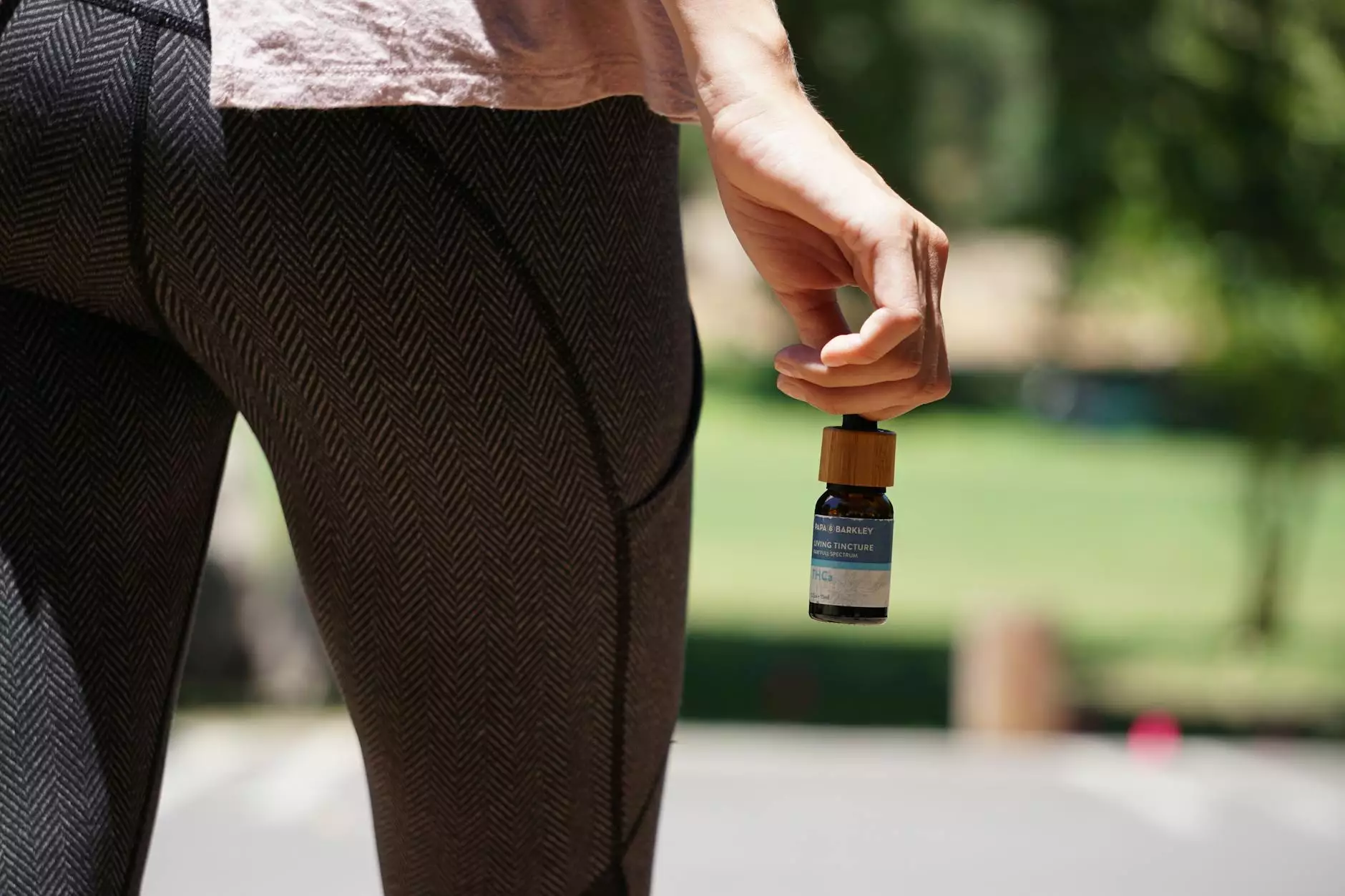
The cannabis plant continues to evolve in public perception and legal status around the world. With the increasing legalization and acceptance of cannabis uses, a special compound known as THCA flower has gained significant attention. Unlike its well-known counterpart THC (tetrahydrocannabinol), THCA (tetrahydrocannabinolic acid) is a non-psychoactive cannabinoid found in raw cannabis. This article delves deep into the intricacies of THCA flower, emphasizing its benefits, uses, and the broader implications for the cannabis industry.
What is THCA Flower?
THCA flower refers to the raw, unheated (or unprocessed) flower of the cannabis plant, rich in the acidic form of THC. As cannabis is harvested and cured, THCA remains intact until it is heated, a process known as decarboxylation, which converts THCA into THC. This transformation is crucial for understanding its medicinal effects and recreational potentials.
Chemical Structure and Properties
THCA is primarily found in fresh cannabis flowers, contributing to the plant's therapeutic properties. Its structure resembles that of THC, differing only by a carboxyl group that makes it non-psychoactive. This chemical distinction is what allows cannabis users to reap the benefits of cannabis without experiencing the high typically associated with THC consumption.
Health Benefits of THCA Flower
The potential health benefits of THCA flower are vast, especially as research continues to evolve. Some of the notable benefits include:
- Anti-Inflammatory Properties: THCA exhibits potent anti-inflammatory effects, making it beneficial for conditions like arthritis and inflammatory bowel diseases.
- Neuroprotective Effects: Studies suggest that THCA may help protect the brain from neurodegenerative diseases such as Alzheimer's and Parkinson's, highlighting its potential in brain health.
- Appetite Stimulant: THCA can stimulate appetite without inducing the psychoactive effects of THC, which may assist those undergoing treatments like chemotherapy.
- Antiemetic Qualities: THCA has shown potential in reducing nausea and vomiting, providing relief for many patients.
- Potential Anti-Cancer Properties: Emerging research indicates that THCA may combat certain types of cancer cells, positioning it as a possible adjunct therapy.
How to Use THCA Flower
Utilizing THCA flower can be approached in various ways. Here are some popular methods:
Raw Consumption
One of the simplest ways to use THCA flower is by consuming it raw. This can be done by:
- Adding fresh cannabis leaves to smoothies for a health boost.
- Juicing the flowers to maximize nutrient intake.
- Using raw cannabis in salads or other dishes, retaining its acidic properties.
Infusions and Oils
Another method of utilizing THCA flower is through the preparation of infusions or oils. This process often involves:
- Cooking THCA flower in a carrier oil (like coconut or olive oil) to create a versatile infusion.
- Incorporating cannabis-infused oils into culinary dishes for enhanced flavor and health benefits.
Topicals and Balms
THCA flower can also be incorporated into topical applications. THCA-infused creams or balms can offer localized relief from inflammation and pain without mental effects.
THCA vs. THC: Understanding the Differences
While THCA and THC stem from the same cannabis plant, they serve different purposes and effects. Here’s a quick comparison:
CharacteristicTHCATHCPsychoactive EffectsNoYesPrimary UsesMedicinalRecreational, MedicinalConversion RequirementNeeds DecarboxylationNot RequiredPresence in Raw CannabisHighLowThe Emerging Market for THCA Flower
The rise of THCA flower has implications for cannabis businesses and consumers alike. As the market for cannabis products expands, so does the potential for THCA to become a mainstream product. Many consumers are searching for non-intoxicating options that still provide therapeutic benefits. This creates opportunities for businesses within various categories, particularly:
Cannabis Collectives
Cannabis collectives provide a community-oriented space where enthusiasts can share knowledge and access a diverse range of cannabis products. With the growing interest in THCA, collectives can offer educational workshops that focus on the properties and benefits of THCA flower and how to incorporate it into everyday health routines.
Medical Cannabis Referrals
For those seeking medical cannabis options, understanding the unique properties of THCA can be life-changing. Medical cannabis referrals can help patients discover the potential benefits of THCA flower, connecting them with licensed providers specializing in this form of cannabis.
Cannabis Tours
Cannabis tours are another promising avenue for promoting THCA flower. By showcasing farms and facilities that cultivate cannabis with a focus on THCA, these tours can educate the public on the benefits of raw cannabis consumption, creating a robust appreciation for the plant and its varieties.
The Future of THCA Flower in the Cannabis Industry
As research into cannabinoids expands, THCA flower is poised to take a significant role in the conversation surrounding plant-based therapies. The interest from both consumers and researchers signifies that THCA flower might soon occupy a central position in the cannabis marketplace.
Regulatory Updates
With the continued legalization of cannabis in various regions, regulatory bodies are starting to recognize the importance of different cannabinoids, including THCA. Understanding how regulations will shape the availability and commercialization of THCA flower is crucial for businesses and consumers alike.
Consumer Education and Awareness
Education is essential for the adoption and acceptance of THCA products in the market. As more information becomes available, consumers will be empowered to make informed choices that suit their health needs. Businesses that prioritize education within their marketing strategies are likely to see greater engagement and customer loyalty.
Conclusion
In summary, THCA flower represents a rapidly growing segment of the cannabis market, offering numerous health benefits without the psychoactive effects commonly associated with cannabis. This non-intoxicating cannabinoid presents exciting opportunities for cannabis collectives, medical referrals, and tours, while also calling for further research and consumer education. As the market progresses, understanding the complexities of THCA and its applications will be key to navigating the evolving cannabis landscape.
For those interested in exploring THCA flower and other cannabis products, consider visiting Venera Factory for more comprehensive resources and insights. As the industry continues to develop, Venera Factory stands out as a beacon for both medical and recreational cannabis enthusiasts.