Operative Hysteroscopy: A Comprehensive Guide to Women’s Health
What is Operative Hysteroscopy?
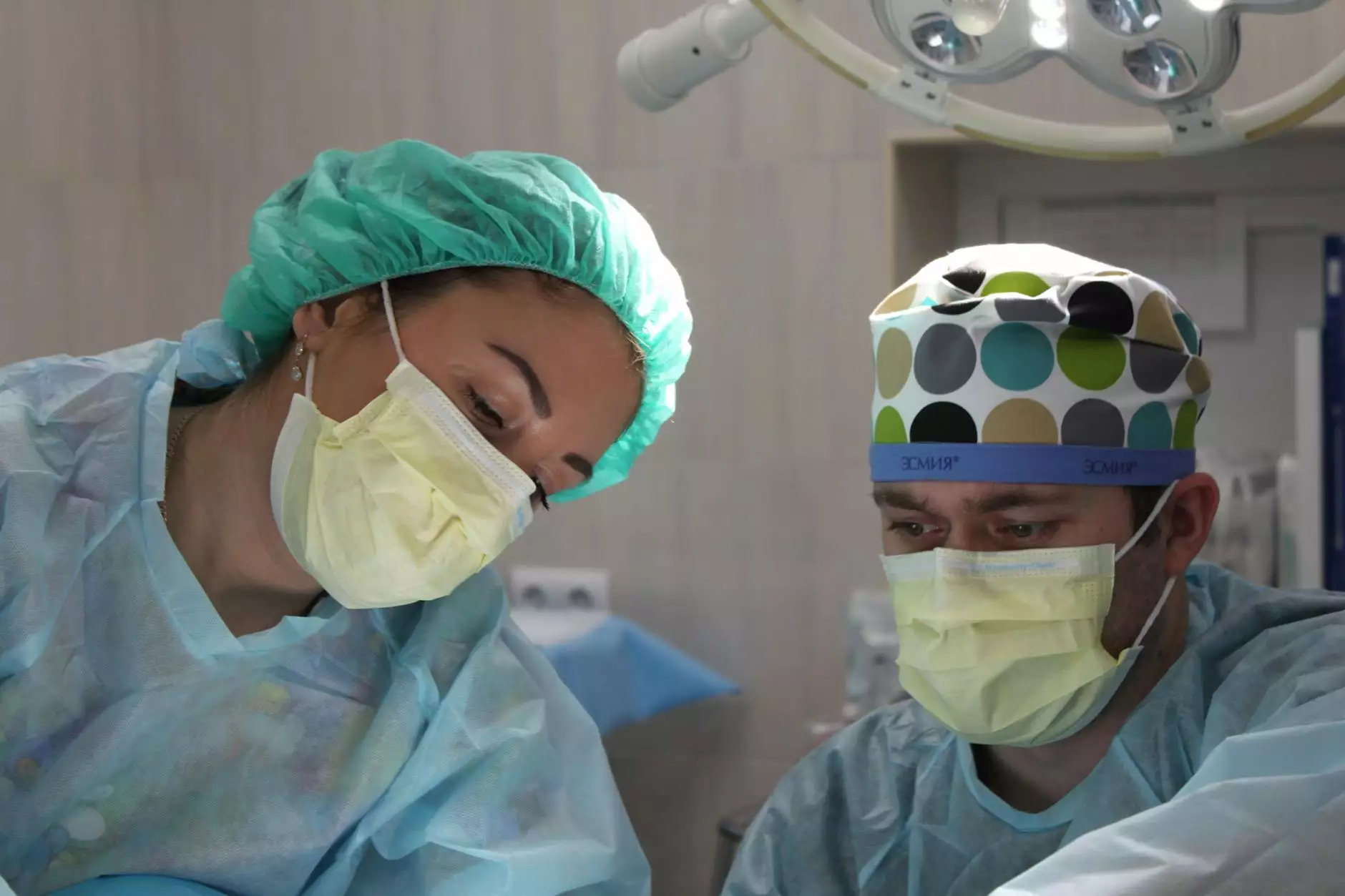
Operative hysteroscopy is a minimally invasive surgical procedure used to visualize and treat abnormalities within the uterus. It involves the use of a hysteroscope, a thin, lighted tube inserted through the vagina and cervix into the uterus. This method allows gynecologists to diagnose and treat various uterine disorders effectively.
Why Choose Operative Hysteroscopy?
Women considering operative hysteroscopy may do so for several reasons:
- Minimally Invasive: Unlike traditional surgical methods, operative hysteroscopy requires no large incisions, thus reducing recovery time and minimizing pain.
- Outpatient Procedure: Most procedures are done on an outpatient basis, allowing patients to return home the same day.
- Accurate Diagnosis: The hysteroscope provides real-time imaging, allowing for accurate diagnosis and immediate treatment.
- Improved Fertility: For women experiencing infertility issues, operative hysteroscopy can address problems such as polyps and fibroids that may affect conception.
Common Indications for Operative Hysteroscopy
Operative hysteroscopy can be utilized to address a variety of conditions, including:
- Uterine Fibroids: Noncancerous growths that can cause heavy bleeding and discomfort.
- Uterine Polyps: Soft tissue growths on the inner wall of the uterus that can contribute to abnormal bleeding.
- Septate Uterus: A congenital abnormality where a fibrous or muscular septum divides the uterine cavity.
- Endometrial Hyperplasia: Thickening of the endometrium which can lead to irregular bleeding and potential cancer risk.
- Intrauterine Adhesions: Also known as Asherman's syndrome, these can result from prior surgeries or infections.
The Operative Hysteroscopy Procedure
The procedure itself typically follows these steps:
- Preparation: Prior to the procedure, patients may undergo imaging tests or blood work. They will also receive instructions on fasting and medications.
- Anesthesia: Operative hysteroscopy can be performed under local, regional, or general anesthesia, depending on the case complexity and patient comfort.
- Insertion of Hysteroscope: The gynecologist gently inserts the hysteroscope into the uterus through the cervix.
- Diagnosis and Treatment: Utilizing the hysteroscope's camera, the physician inspects the uterine lining and can perform necessary treatments using specialized instruments.
- Recovery: After the procedure, patients are monitored for a short time, and most are able to go home the same day.
Benefits of Operative Hysteroscopy
The advantages of choosing operative hysteroscopy are significant:
- Minimal Recovery Time: Patients often return to their normal activities within a few days.
- Less Pain: The minimally invasive nature of the procedure translates to less postoperative pain.
- No Large Scars: With no large incisions, scarring is minimal.
- Higher Success Rate: The targeted treatment often results in higher success rates for fertility issues.
Potential Risks and Considerations
As with any medical procedure, operative hysteroscopy is not without risks. Some potential complications may include:
- Infection: Although rare, there is a risk of infection following the procedure.
- Uterine Perforation: This occurs when the hysteroscope penetrates the uterine wall, which is rare but may require additional surgical intervention.
- Excessive Bleeding: Some patients may experience heavier than normal bleeding post-procedure.
- Adverse Reaction to Anesthesia: Reactions to anesthesia can occur and should be discussed with the healthcare provider beforehand.
Aftercare Following Operative Hysteroscopy
Post-operative care is essential to ensure a smooth recovery. Patients should:
- Follow-up Appointments: Schedule and attend all follow-up visits to monitor recovery.
- Avoid Sexual Intercourse: It’s advisable to refrain from sexual activity for at least two weeks post-procedure.
- Monitor Symptoms: Keep an eye on any unusual symptoms such as fever, excessive bleeding, or severe pain, and contact a physician if they occur.
- Rest and Hydrate: Allowing the body to rest and stay hydrated will aid the recovery process.
Your Next Steps: Consult with Dr. Seckin
If you are experiencing symptoms such as heavy menstrual bleeding, pelvic pain, or have concerns regarding infertility, operative hysteroscopy may be the right solution for you. It’s crucial to have a thorough consultation with a qualified gynecologist like Dr. Seckin who specializes in women's health. During your consultation, you will be informed about:
- Your Specific Condition: Understanding what conditions may be affecting you.
- Personalized Treatment Plan: Exploring tailored treatment options to address your concerns.
- Procedure Expectations: Knowing what to expect before, during, and after the procedure.
In conclusion, operative hysteroscopy is a groundbreaking procedure in modern gynecological practice. By allowing for accurate diagnosis and treatment of uterine abnormalities, it significantly enhances women's health outcomes. For more information or to schedule a consultation, please visit drseckin.com.