Disinfection of Surgical Instruments: Ensuring Safety in Medical Practices
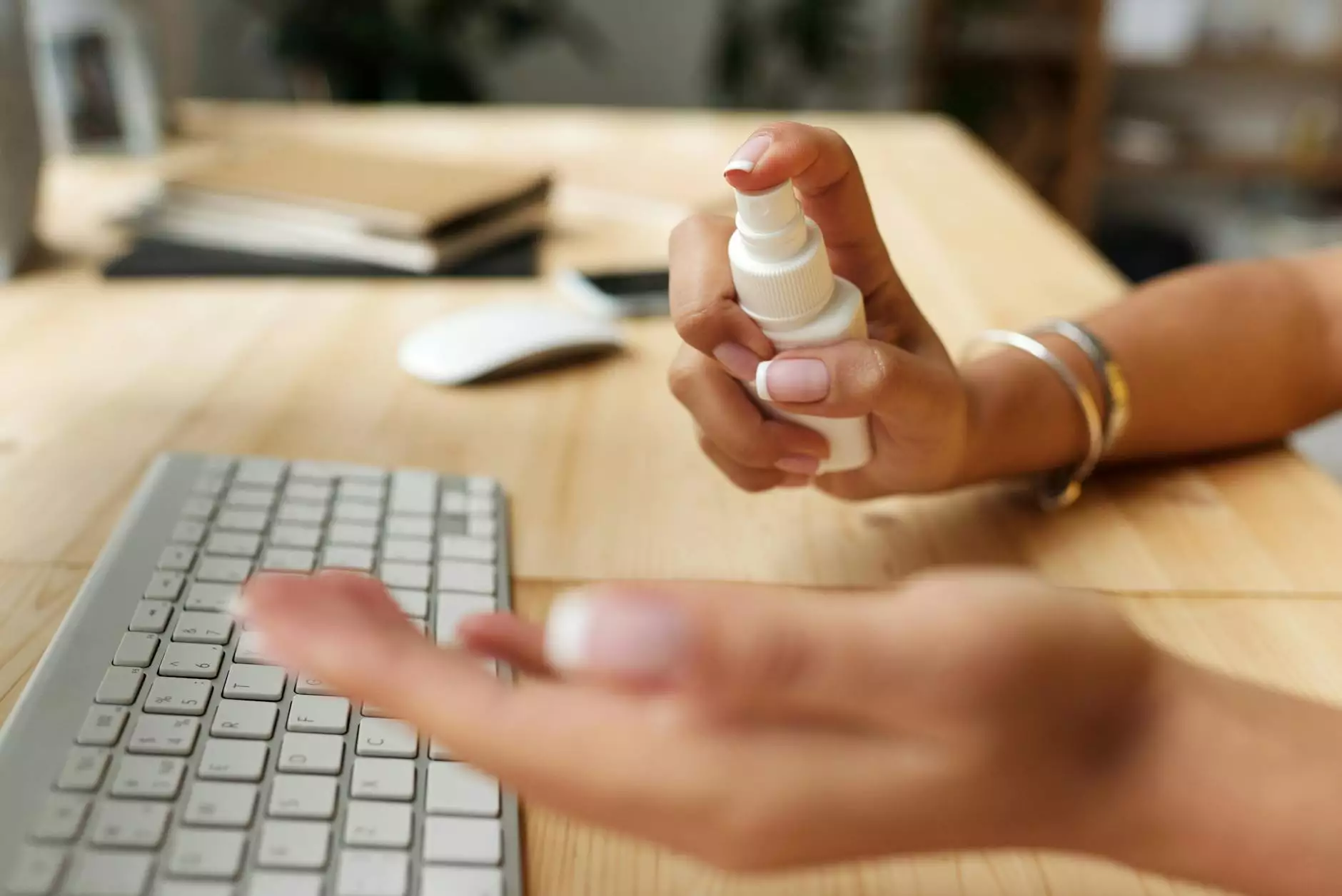
The disinfection of surgical instruments is a critical component of medical procedures that cannot be overlooked. It plays a vital role in preventing infections, promoting patient safety, and ensuring that healthcare facilities operate at the highest standards of cleanliness and efficiency. In this comprehensive guide, we will delve into the various methods, importance, and advancements in disinfection practices.
1. Understanding the Importance of Disinfection
Infection control is paramount in surgical environments. Instruments that are not properly disinfected can harbor pathogenic microorganisms, leading to surgical site infections (SSIs) that can have severe consequences for patients. Understanding why disinfection is critical is the first step in ensuring health and safety in medical settings.
2. The Different Levels of Disinfection
The process of disinfection can be classified into three primary levels:
- High-Level Disinfection (HLD): This is required for critical items that contact mucous membranes or non-intact skin. HLD eliminates all microorganisms except large numbers of bacterial spores.
- Intermediate-Level Disinfection (ILD): Suitable for semi-critical items that come into contact with mucous membranes and skin. It is effective against most bacteria, viruses, and fungi.
- Low-Level Disinfection (LLD): This level is adequate for non-critical items that only touch intact skin. It reduces the number of viable microorganisms but does not kill spores.
3. Common Methods of Disinfection
There are several established methods for the disinfection of surgical instruments, each with its own advantages and applications:
3.1 Chemical Disinfection
Chemical agents are commonly used for the disinfection of surgical instruments. These include:
- Glutaraldehyde: A potent disinfectant suited for high-level disinfection. It requires soaking instruments for a minimum prescribed time for efficacy.
- Hydrogen Peroxide: Effective against a broad spectrum of pathogens and decomposes into innocuous products, making it environmentally friendly.
- Alcohols: Such as ethanol or isopropyl alcohol, used primarily for surface disinfection.
3.2 Thermal Disinfection
Thermal methods leverage heat to achieve disinfection:
- Sterilization by Steam: Autoclaving is the most common method, employing high-pressure steam to kill all forms of microorganisms, including spores.
- Dry Heat Sterilization: Utilizes hot air that is free from moisture to sterilize items and is particularly effective for substances that can be damaged by moisture.
3.3 Ultraviolet (UV) Light Disinfection
UV light has gained recognition for its ability to inactivate pathogens:
- UV-C Light: Effectively damages the DNA of microorganisms, preventing them from reproducing. It’s critical for use in areas where chemical disinfectants are impractical.
4. Protocols for Effective Disinfection
Implementing effective disinfection protocols is essential to ensure patient safety. Here are some best practices:
4.1 Proper Cleaning Before Disinfection
Before instruments can be disinfected, they must be adequately cleaned. This involves:
- Removing all organic matter and debris.
- Using appropriate detergents and scrub brushes.
- Rinsing thoroughly to prevent residue interference with disinfection processes.
4.2 Adhering to Manufacturer Guidelines
Each disinfectant will have specific guidelines that dictate:
- Concentration levels required for efficacy.
- Contact time necessary for disinfection.
- Storage conditions to maintain effectiveness.
4.3 Routine Monitoring and Compliance
Monitoring the effectiveness of disinfection processes is vital:
- Regular audits to ensure compliance with protocols.
- Use of biological indicators to test efficacy of sterilization processes.
- Documenting and addressing any discrepancies or failures in the disinfection process.
5. Innovations in Disinfection Technology
The field of disinfection is continuously evolving, with new technologies enhancing the efficacy of infection control:
5.1 Automated Disinfection Systems
Robotic systems that automate the disinfection process, providing consistent and thorough coverage.
5.2 Use of Nanotechnology
Nanoparticles are being integrated into disinfectant formulations to enhance their antimicrobial properties and reduce resistance.
5.3 Smart Disinfection Technologies
Smart technologies that utilize IoT (Internet of Things) devices for real-time monitoring and validation of the disinfection environments.
6. Regulatory Standards and Guidelines
Maintaining compliance with regulatory standards is mandatory for all healthcare providers:
- CDC Guidelines: The Centers for Disease Control and Prevention provides comprehensive guidelines on infection control practices.
- FDA Regulations: The Food and Drug Administration regulates the approval and use of disinfection products in healthcare settings.
- ISO Standards: International Organization for Standardization sets global quality standards for medical devices and disinfection processes.
7. Conclusion: Prioritizing Patient Safety Through Effective Disinfection
In conclusion, the disinfection of surgical instruments is not just a procedural formality; it is a fundamental component of patient safety and care quality. By employing effective disinfection methods, following rigorous protocols, and staying informed about the latest advancements and regulations, healthcare providers can significantly reduce the risk of infections and enhance patient outcomes. The commitment to excellence in cleaning and disinfecting within healthcare facilities reflects a foundational commitment to patient health, safety, and wellbeing.
8. About Medalkan: Your Partner in Quality Medical Supplies
At Medalkan, we understand the critical role that disinfection and sterilization play in healthcare. We are dedicated to providing high-quality medical supplies that meet the strictest standards of safety and efficacy. Our extensive range of products is designed to support healthcare professionals in upholding the highest levels of care. Together, let's ensure a sterilized and safe surgical environment.