The Complete Guide to Thoracic Surgeons: Key Specialists in Advanced Medical and Surgical Care
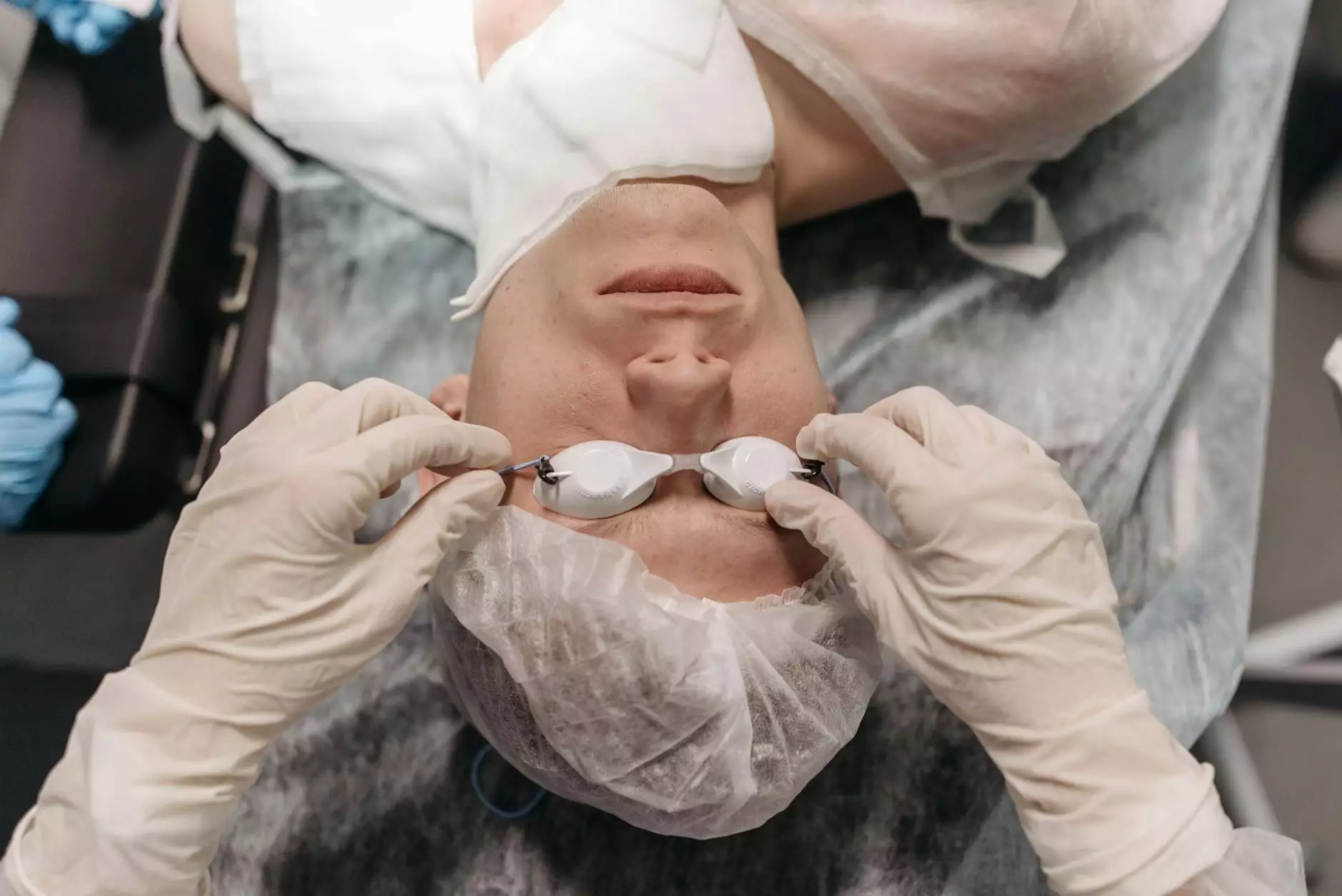
In the rapidly evolving landscape of health & medical care, specialized surgical expertise plays a pivotal role in diagnosing and treating complex thoracic conditions. Among these specialists, the thoracic surgeon stands out as a crucial figure, providing life-saving interventions and innovative therapies. Whether addressing lung cancer, esophageal disorders, or thoracic trauma, thoracic surgeons bring advanced skills and comprehensive knowledge to the forefront of healthcare.
Understanding the Role of a Thoracic Surgeon: A Cornerstone in Modern Medicine
A thoracic surgeon is a medical professional with specialized training in surgeries involving the chest, including the lungs, esophagus, mediastinum, and diaphragm. These surgeons are integral to the multidisciplinary approach to managing thoracic diseases, often working alongside pulmonologists, oncologists, cardiologists, and physical therapists.
Core Responsibilities of a Thoracic Surgeon
- Diagnosing thoracic conditions through imaging and clinical assessments
- Performing complex surgeries such as lung resections, esophagectomies, and mediastinal tumor removals
- Managing postoperative care to ensure optimal recovery
- Collaborating with other healthcare professionals for comprehensive treatment plans
- Implementing minimally invasive techniques like thoracoscopy and robotic-assisted surgeries
The Critical Role of a Thoracic Surgeon in Treating Life-Threatening Conditions
In many cases, a thoracic surgeon is the frontline specialist who intervenes during emergencies involving thoracic trauma or critical illnesses. Their expertise is essential in managing:
- Lung cancer: The leading cause of cancer-related deaths worldwide. Thoracic surgeons perform resections and lobectomies to remove malignant tissues effectively.
- Esophageal disorders: Including achalasia, esophageal cancer, and strictures which may require elaborate surgical reconstruction.
- Thoracic trauma: Addressing injuries from accidents or penetrating wounds that threaten vital thoracic organs and structures.
- Malignant and benign tumors: Removal and staging to prevent spread and recurrence.
- Congenital anomalies: Correcting deformities or structural issues present from birth affecting thoracic organs.
Innovative Surgical Techniques Employed by Thoracic Surgeons
With advancements in medical technology, thoracic surgeons now utilize a variety of minimally invasive approaches that minimize patient discomfort and enhance recovery times. These include:
- VATS (Video-Assisted Thoracoscopic Surgery): A less invasive modality that uses small incisions and a camera to perform complex procedures.
- Robot-assisted thoracic surgery: Employing robotic platforms for precision in delicate operations.
- Thoracotomy: Traditional open surgery for extensive cases requiring broader access to thoracic structures.
- Endoscopic procedures: For diagnostic biopsies or targeted treatment within the thoracic cavity.
The Intersection of Thoracic Surgeon Expertise with Health & Medical, Sports Medicine, and Physical Therapy
While the primary domain of a thoracic surgeon lies within surgical intervention, their role extends into holistic patient recovery, increasingly collaborating with health & medical practitioners, sports medicine specialists, and physical therapists. This multidisciplinary approach ensures optimal patient outcomes through:
- Postoperative rehabilitation: Physical therapy tailored to restore lung function, mobility, and strength after thoracic surgeries.
- Sports injury management: For athletes recovering from thoracic injuries, the surgeon's interventions and subsequent therapy restore peak performance.
- Preventive care and screening: Detecting thoracic pathologies early to facilitate less invasive treatment options.
- Patient education: Empowering individuals with knowledge on managing chronic thoracic conditions and maintaining healthy lifestyles.
How a Thoracic Surgeon Contributes to Personalized and Effective Treatment Plans
Precision medicine is transforming healthcare, and thoracic surgeons are at the forefront of delivering personalized interventions. By integrating advanced diagnostic tools such as PET scans, MRI, and biometric analyses, they tailor surgical and nonsurgical treatments suited to each patient's unique profile.
This individualized approach not only enhances surgical success rates but also minimizes risks and improves quality of life for patients suffering from complex thoracic diseases.
The Importance of Choosing an Experienced Thoracic Surgeon Within a Multidisciplinary Framework
Optimal outcomes in thoracic surgery depend heavily on the surgeon’s expertise, experience, and team collaboration. Patients are advised to seek specialists affiliated with reputable healthcare centers that emphasize multidisciplinary care, including connection with physiotherapists and sports medicine experts.
Facilities like HelloPhysio.sg offer integrated services that combine surgical excellence with comprehensive rehabilitation programs, ensuring a seamless recovery journey.
Future Directions and Innovations in Thoracic Surgery
The field of thoracic surgery is continually advancing, driven by technological innovations and deeper understanding of thoracic pathophysiology. Current research explores:
- Bioengineering advances: To develop better prosthetics and tissue regeneration techniques.
- Gene therapy: For certain thoracic malignancies, aiming to improve targeted treatments and reduce recurrence.
- Enhanced minimally invasive procedures: Making complex surgeries more accessible and safer for high-risk patients.
- Artificial intelligence: To aid in diagnostics, surgical planning, and postoperative monitoring.
Conclusion: The Vital Role of Thoracic Surgeons in Enhancing Patient Outcomes and Healthcare Excellence
In the realm of health & medical, sports medicine, and physical therapy, the expertise of a thoracic surgeon is indispensable for tackling the most challenging thoracic conditions. Their innovative techniques, comprehensive care, and collaboration across disciplines ensure that patients receive the best possible treatment. As medicine advances, those working alongside thoracic surgeons—including physiotherapists and sports medicine specialists—play a critical role in restoring health, improving quality of life, and pushing the boundaries of what's possible in thoracic healthcare.
For individuals experiencing thoracic health issues or seeking expert surgical intervention, selecting a experienced thoracic surgeon within a multidisciplinary setting like HelloPhysio.sg guarantees rigorous care, state-of-the-art procedures, and dedicated support throughout the recovery journey.